

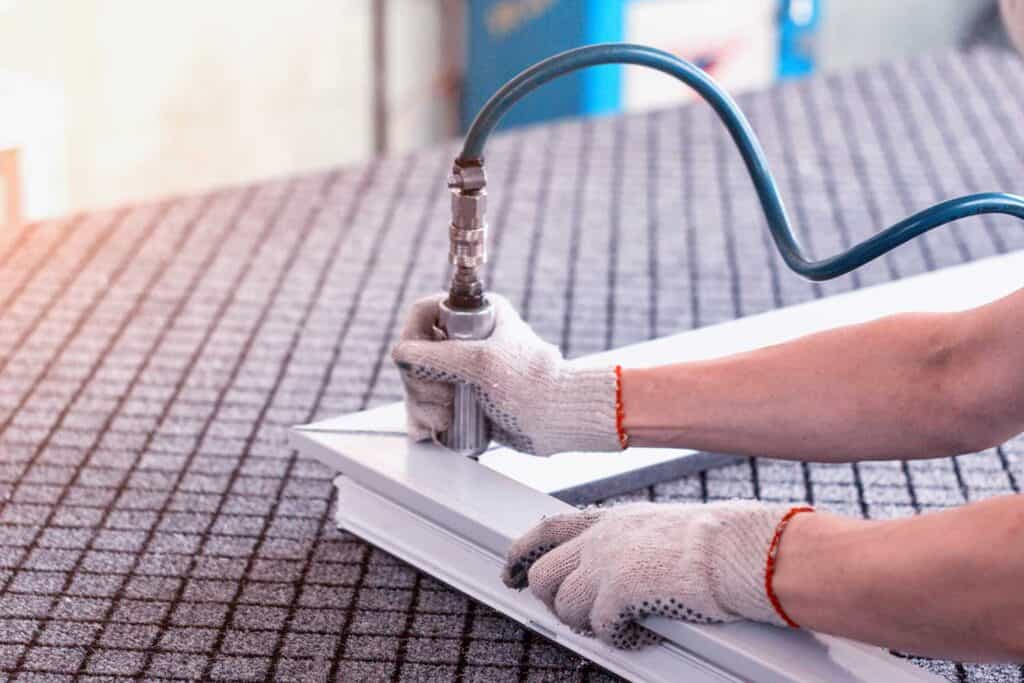
How Plastic Extrusions Improve Window Performance and Efficiency
Evaluating window performance is an exercise in problem solving. How do you let in what you want — natural light, ventilation, the view — while keeping out what you don’t?
For a truly effective window system, it’s important to look beyond the double-paned glass and understand where performance breaks down.
Air leakage, heat loss and moisture intrusion typically occur at the frame, joints and moving interfaces. This is where plastic extrusions play an essential role in improving the performance of the overall window system.
What are plastic extrusions in window systems? Plastic extrusion is a manufacturing process that creates continuous profiles with a consistent cross-section.
In window systems, extrusions are commonly used to help seal, insulate and protect window assemblies. Selecting the right extrusion material can improve energy efficiency, reduce maintenance and extend the life of the window system.
Where windows fail — and how plastic extrusions improve window performance
Sealing air and water infiltration
Air leakage is a major contributor to energy loss, while moisture intrusion can lead to premature window failure. Plastic extrusions used as seals and weatherstripping help create tight interfaces between window components that reduce drafts while keeping out rain and ice.
Properly designed extrusions maintain compression set through repeated opening and closing cycles, allowing seals to perform consistently over time.
Reducing thermal transfer
A major advantage of plastic is that it has low thermal conductivity, making it effective for limiting thermal transfer at interfaces within window frames. Extruded plastic components help reduce thermal bridging — particularly in systems with metal or composite frames — supporting improved energy efficiency.
By slowing the movement of thermal energy, plastic extrusions help stabilize interior temperatures and reduce heating and cooling losses.
Protecting against environmental exposure
Window components are exposed to UV, moisture, temperature fluctuations and debris. Plastic extrusions can be engineered to withstand these conditions, helping protect sealing surfaces and critical interfaces from degradation.
This protection supports long-term performance while reducing maintenance and replacement requirements.
Common window and door components made with plastic extrusions
Plastic extrusions are used across a wide range of window components, each serving a specific performance function within the window assembly.
Common examples include:
- Weatherstrips and sweeps: Flexible PVC components that limit air infiltration at operable joints, providing a soft, pliable seal.
- Jambliners: Vertical tracks made from vinyl in double-hung windows that support smooth operation while preventing air leakage and offering resistance to condensation.
- Thermal breaks: Components that incorporate an extruded plastic profile to insulate between interior and exterior metal components. This insulation interrupts the path of thermal energy, reducing heat transfer between outdoors and indoors while resisting temperature fluctuations and condensation.
- Glazing beads: PVC profiles used to secure glass panes while sealing out moisture, air and pests. These components resist warping, cracking and rotting after exposure to temperature differences, weather conditions and freeze-thaw cycles.
- PD interlocks: Components that improve sealing and alignment in sliding window and door systems.
Each of these components relies on consistent profile geometry, material selection and tight tolerances so they can perform as intended with minimal maintenance over the life of the window.
Common plastic materials used in window extrusions
Window and door components are manufactured from a range of thermoplastic and composite materials, each selected based on performance requirements and environmental exposure.
- PVC and CPVC: Commonly used for window seals, weatherstripping and frame components. These materials are durable and resist mold and condensation.
- ABS: Commonly used as thermal break strips between aluminum panels to enhance insulation.
- Capstock materials: Often applied to exterior-facing components to improve UV resistance and color stability.
- Specialty Composite Polymers (SCP): Used in applications that require higher heat deflection temperatures or reduced thermal expansion.
Choosing the right plastic extrusion material
Before selecting a material, consider the following factors:
- Temperature range: Materials must maintain flexibility and performance across a wide range of climate conditions, from subzero temperatures to triple-digit heat.
- UV and weather resistance: Outdoor exposure demands materials that resist cracking, fading and degradation.
- Compression set: Low compression set helps seals maintain effectiveness over repeated use.
- Compatibility: Extrusions should integrate cleanly with surrounding frame materials and installation processes.
- Longevity: Durable materials support longer service life and lower maintenance needs.
Ready to improve window performance?
Plastic extrusions play a critical role in window performance. Choosing the right extrusion material — and designing profiles around real-world conditions — helps ensure windows perform as intended throughout their service life.
Work with Climatech to design custom plastic extrusions that support sealing, insulation and long-term durability. Our team can help you select the right materials and profiles for your window or door application.
FAQs about extrusions for window components
How do plastic extrusions improve window energy efficiency?
Plastic extrusions improve window energy efficiency by sealing gaps, reducing air leakage and limiting thermal transfer at joints and interfaces. Components such as window seals, weatherstripping and thermal breaks help prevent drafts and heat loss that commonly occur around window frames rather than through the glass.
Where do windows typically lose energy or fail?
Windows most often lose energy or fail at the frame, joints and moving interfaces. Air leakage, moisture intrusion and thermal bridging at these points can reduce performance over time. Plastic extrusions help address these weak points by providing consistent sealing, insulation and protection.
What window components are commonly made with plastic extrusions?
Plastic extrusions are used to manufacture many window and door components, including weatherstrips, sweeps, jamb liners, thermal breaks, glazing beads, PD interlocks and protective profiles. Each component plays a specific role in sealing, insulation, alignment, or durability.
Why is plastic a good material for window seals and weatherstripping?
Plastic is a poor conductor of heat and can be engineered to remain flexible over a wide temperature range. These properties make it well suited for window seals and weatherstripping that must maintain compression, resist moisture and perform reliably through repeated opening and closing cycles.
How do thermal breaks improve window performance?
Thermal breaks use insulating materials, often extruded plastics, to separate interior and exterior metal components in a window frame. This interrupts the path of thermal energy, reducing heat transfer, improving energy efficiency and helping limit condensation.
What plastic materials are commonly used in window extrusions?
Common materials used in window and door extrusions include PVC, CPVC, ABS, capstock materials and Climatech’s proprietary specialty composite polymers (SCP). Each material is selected based on factors such as flexibility, UV resistance, heat tolerance, dimensional stability and environmental exposure.